Solitude and loneliness
Cartes Postales from GreeceSolitude and loneliness are deliberately difficult to separate in the book: a solitary figure on a mountain evokes isolation and misplaced guilt, while the narrator’s own time alone becomes a source of strength. The contrast turns on circumstance and experience. Solitude is not automatically freedom, but neither is being alone necessarily a deprivation.
A language that joins two experiences
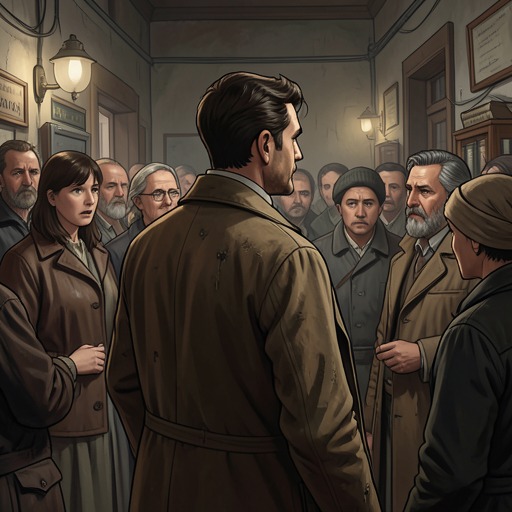
The narrator observes that Greeks use one word for both loneliness and solitude, a linguistic overlap that helps explain why seeing a man alone can prompt pity. Yet the same outward condition can hold opposing meanings. The solitary man glimpsed by Giannis amid the mist around Meteora is associated with isolation, misplaced guilt, and tragic consequences; the narrator, by contrast, comes to feel stronger through solitude. The difference lies not simply in whether someone is alone, but in what that aloneness contains.
Solitude as reflection and concentration
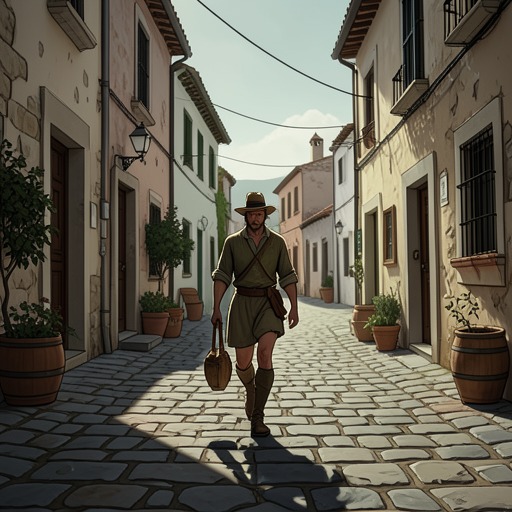
In Kalambaka, the narrator walks for days through the landscape and uses the quiet to revisit a relationship, searching for signs that something had been wrong. Solitude here makes room for analysis rather than immediately bringing comfort: the walks give the narrator time to look back and consider what was missed. By the end of the stay, however, tranquillity has run its course, and the narrator longs for the warmth of a crowd, loud music, and the smells of food in the street. Solitude and company are presented as changing needs, not fixed ideals.
The narrator also describes becoming absorbed in backgammon during evenings in a village kafenion. Concentration on each move temporarily displaced everything else; skill, luck, experience, and attention all shaped play. This is not solitude in the literal sense, but it offers a related kind of inward focus within company. The contrast helps widen the subject beyond physical aloneness: attention can draw a person away from surrounding concerns even while other people are present.
Ikaria and the restorative possibility of being alone
On Ikaria, a rugged landscape and the scarcity of cars give the narrator space to be alone without experiencing it as abandonment. Sitting for hours on smooth white rock above the sea, with sunlight and blue sky around, the narrator feels an extraordinary peace and a sense that time has stood still. This moment makes solitude restorative: the stillness is tied to the place, the light, and the narrator’s unhurried presence in the landscape.
The island’s reputation for remoteness and an ageing population also complicates the idea that isolation must mean lifelessness. The narrator meets people in their eighties and nineties still keeping shops, running cafés and small hotels, fishing, or repairing boats. Their lives offer concrete counterevidence to the assumption that a remote island is merely a place people have left behind. The book does not claim to know why residents live so long; it presents possible explanations, including a relaxed pace of life and the island’s hot springs, while leaving the cause unresolved.
What being alone makes possible
Across these episodes, solitude shifts from a condition that can accompany guilt and tragic isolation to a chosen space for reflection, concentration, and peace. The narrator’s growing ability to distinguish solitude from loneliness is not a rejection of human company: the longing for crowds after days of tranquillity makes that clear. Instead, the distinction allows aloneness to become one part of a changing life—sometimes difficult, sometimes clarifying, and sometimes unexpectedly sustaining.